
 Loading…
 Loading…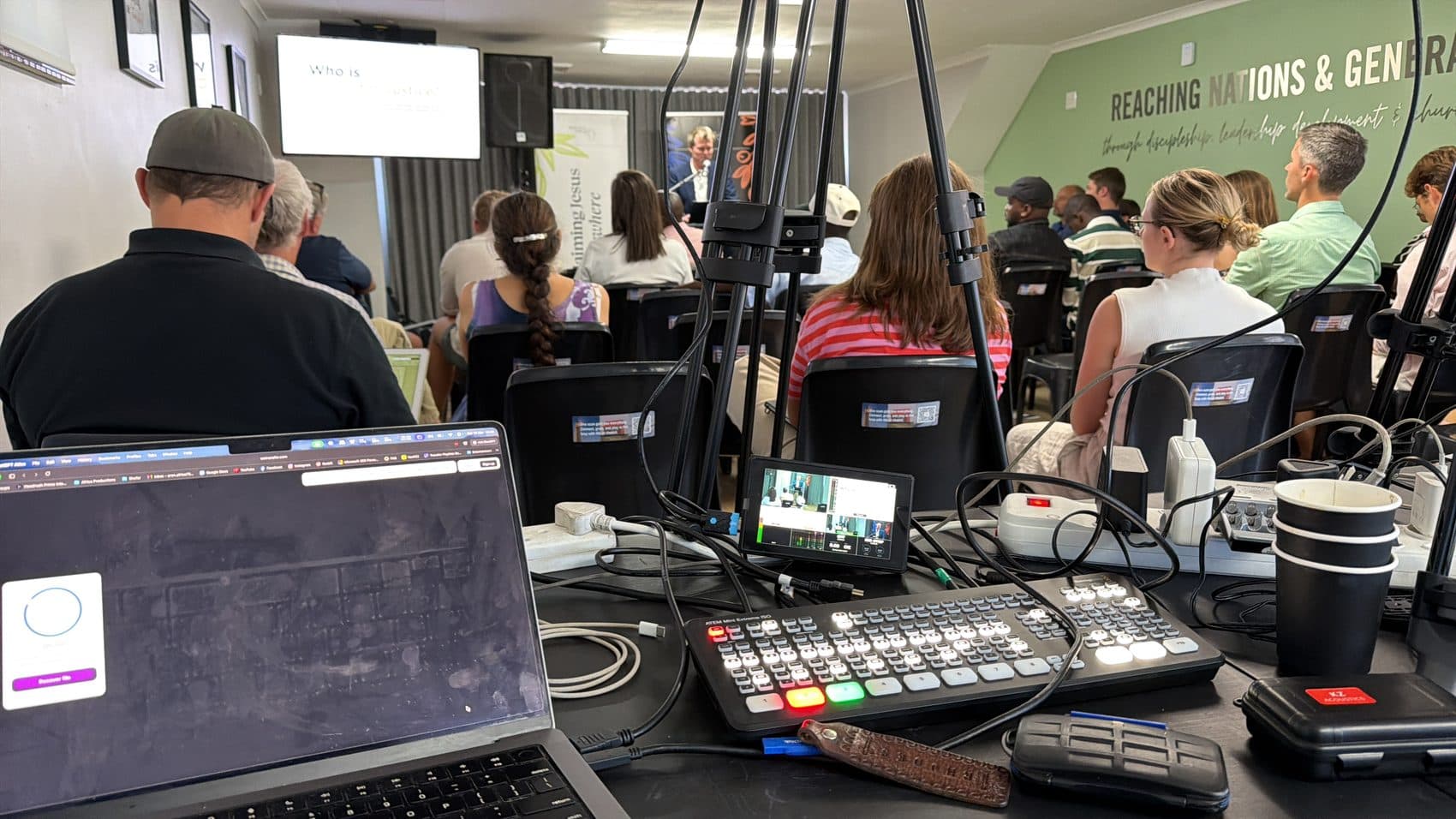
Corporate functions & events
Your speakers will arrive with slides nobody has tested, the room was booked for its capacity rather than its acoustics, and the schedule has no slack in it anywhere. That's the normal starting position, not a disaster. We take the technical half of the day off your plate — what people hear, what they see, and what leaves the building as a stream or a recording — and we rehearse it while there's still time to change it.
Which of these is you?
These sit together because the craft behind them is the same. What they need from us on the day is not — so say which one you're planning and we'll answer for that, not in general.
What this usually includes
Every discipline below comes from the same team, on the same quote. Nothing here needs a second supplier introduced to the others on the morning.
How the day runs
We walk the venue, read the run sheet, and write the technical plan against both.
Sound, screens, and lighting go in and get tested the day before where the venue allows it.
Every deck opened, every mic checked, every transition walked — before an audience exists.
One engineer on the desk, one on vision. Your schedule runs; we handle what it runs on.
Clean strip-down, then recordings and edits delivered in the formats you asked for.
To quote this properly
Rough answers are fine — “we don't know yet” is a real answer and we'll work with it.
Commonly added
None of this is required. It's just what tends to come up once the main job is on the table.
What the business keeps
An event is a day. The recordings, the photographs, and the highlight cut are a year of internal comms and next year's sales pitch. We shoot with that second life in mind, because the budget is far easier to justify when the material keeps working after everyone goes home.
Production and support that leaves a legacy
Not quite it?
Next step
We'll come back with an honest scope and a costed option — and we'll tell you if part of it isn't worth paying for.